How to Choose a Desert Safari in Dubai That Fits Your Budget
Understanding What You Pay For
A desert safari in Dubai can range from a simple dune drive to a full evening of entertainment under the stars. The price you see on a booking page often reflects the inclusions, the duration, and the quality of the experience. Before you compare numbers, it helps to know what each price tier typically offers. The cheapest options usually cover a short dune bashing session, a quick stop for sandboarding, and a basic barbecue dinner at a crowded camp. Mid-range packages add extras such as a longer desert drive, a falcon show, henna painting, and shisha smoking in a more comfortable setting. Premium safaris often include private vehicles, gourmet dining, and reserved seating at exclusive camps. Understanding this spectrum helps you match the cost to the kind of evening you want.
Step 1: Decide on the Type of Safari
Your first decision is whether you want a morning, evening, or overnight safari. Morning safaris are shorter and cheaper, usually lasting around four hours. They include dune bashing, a short camel ride, and sometimes a light breakfast. Evening safaris are the most popular and cost more because they run from late afternoon until night. They combine adventure activities with a barbecue dinner and cultural shows. Overnight safaris add a night under canvas, dinner, breakfast, and more time for stargazing or quiet desert walks. Each type has its own price point, so choosing the right format narrows your search.
Step 2: Check What Is Included in the Base Price
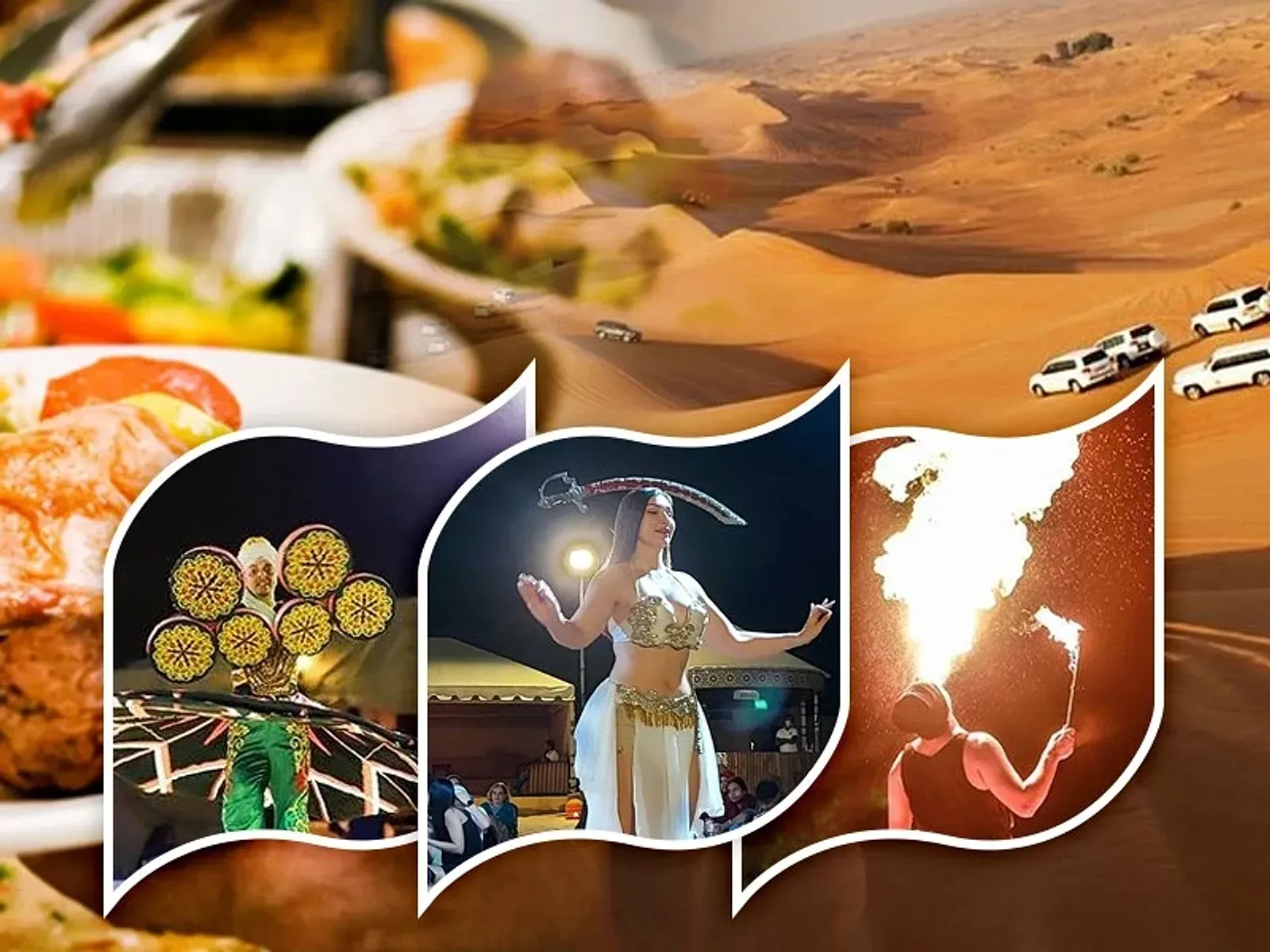
Many companies list a low starting price but add charges for extras. Look closely at the inclusions before you compare. A standard package should state clearly whether it covers hotel pickup and drop-off, dune bashing in a 4x4, sandboarding, camel rides, a barbecue dinner with vegetarian options, and entertainment such as a belly dance or tanoura show. If any of these are missing, the price may not be a fair comparison. Some operators also charge extra for soft drinks, bottled water, or shisha. A transparent listing helps you avoid surprises.
Step 3: Compare Vehicle Quality and Group Size
The vehicle used for dune bashing affects both the experience and the price. Most safaris use modified 4x4s, but the age and maintenance of the fleet vary. A well-maintained vehicle with a skilled driver makes the ride smoother and safer. Group size also matters. A shared safari in a large vehicle costs less, but you may have less legroom and a noisier ride. A private safari in a smaller vehicle costs more but offers flexibility, privacy, and a more personal driver. If you are prone to motion sickness, a private vehicle with fewer passengers may be worth the higher price.
Step 4: Look at the Camp Quality
The camp where you spend the evening is a big part of the experience. Budget camps often have basic seating, buffet lines, and limited facilities. Mid-range and premium camps invest in better furniture, more space, cleaner washrooms, and a more atmospheric setting. Some camps offer separate areas for families and groups, which can make the evening more relaxing. Photos on the website can be misleading, so read recent reviews that mention the camp environment. A camp with good ratings for cleanliness and food quality often justifies a higher price.
Step 5: Evaluate the Food and Drinks
Dinner is a major part of an evening safari. The price difference between packages often comes down to the food. Basic packages offer a standard barbecue with limited choices. Better packages provide a larger buffet with more variety, including live cooking stations, salads, and desserts. If you have dietary restrictions, check whether the operator can accommodate them. Some camps serve water and soft drinks only, while others include juice or tea. Alcoholic drinks are rarely included and are usually available at an extra cost. A safari with a well-reviewed dinner may cost more but can make the evening feel more special.
Step 6: Read Reviews for Hidden Costs
Reviews from other travellers often reveal costs that are not obvious on the booking page. Look for mentions of extra charges for photography, camel rides beyond the first short loop, or upgraded seating near the stage. Some camps charge for henna designs or shisha, while others include them. A safari that seems cheap on paper may end up costing the same as a mid-range option once you add the extras. Pay attention to reviews that mention value for money rather than just the lowest price.
Step 7: Confirm the Pickup and Drop-Off Policy
Transport is a significant part of the cost, especially if you are staying outside the main hotel areas. Most operators cover pickup and drop-off from central Dubai hotels and apartments. If you are staying in a villa area, a remote resort, or a location like Palm Jumeirah or Dubai Marina, some companies charge a supplement. Others include these areas in their standard service. Confirm the pickup radius and whether the return drop-off is to the same location. A safari that includes free transport from your exact location can save you both money and hassle.
Step 8: Consider the Time of Year
Demand for desert safaris changes with the seasons. Prices are higher during the cooler months from November to March, when the weather is pleasant for outdoor activities. Summer months see lower demand, and many operators offer discounts or package deals. If you are visiting in the hot season, you can often book a premium safari at a price close to a standard one in winter. However, some activities like dune bashing may be shorter in extreme heat for safety reasons. Weigh the savings against the comfort level you are prepared to accept.
Step 9: Compare Packages Side by Side
Once you have a clear idea of what you want, make a simple comparison table of three to four operators. Note the base price, the inclusions, the vehicle type, the camp rating, and the transport policy. This makes it easy to see which package gives you the best value for your budget. If you are travelling with children, check whether the safari offers age-appropriate activities and a separate kids' menu. Some camps provide face painting, camel rides for little ones, and early seating so children do not get too tired.
Step 10: Book Directly for the Best Terms
Booking through a tour operator's own website often gives you clearer terms and direct customer support. You can sometimes find special offers that are not available on third-party booking sites. When you book directly, you also have a better chance of making changes to your booking if your plans shift. Classic Desert Safari is one example of a company that lists its packages clearly online, so you can see exactly what is included before you pay. Checking the fine print on their site can save you from unexpected charges later on.
Making Your Choice
The right desert safari price depends on what matters most to you. If you want a quick taste of the desert on a tight budget, a basic evening safari can deliver. If you prefer a more relaxed evening with good food and a comfortable camp, you will likely need to pay a bit more. The key is to compare packages based on inclusions, not just the headline number. Classic Desert Safari offers a range of options that let you choose the level of service that fits your plans. By following these steps, you can find a safari that matches your expectations and your wallet.
Classic Desert Safari on social media
 Twitter
 Facebook
 Instagram
 YouTube
 Pinterest